
Public Administration Program (Compulsory Courses)
The public administration curriculum covers the fundamental knowledge and skills necessary for modern administrators. Content includes the study of organizational theory, public policy planning, and ethical human resource management. It also emphasizes the importance of administrative law, good governance, and financial management in national development. A particularly interesting aspect is the integration of information technology and peaceful conflict resolution within organizations. This information serves as a comprehensive guide for those seeking a systematic and effective understanding of Thailand's bureaucratic system and public administration. Because excellent management doesn't begin with a high position, but with a worldly and human-centered mindset.
5 Secret Keywords from the World of Public Administration That Will Change Your Perspective on Government Organizations Forever
When speaking of the word "Public Administration" Many people tend to turn away, picturing quiet offices occupied by piles of documents or outdated and slow "bureaucratic" work procedures. But that's just the tip of the iceberg, a misconception frozen in time.
n essence, public administration is the "art and science" of managing people's lives and organizations to survive amidst the changing currents of the modern world.New World ChangeIf you're a young professional who wants to see your organization move forward strategically, here are 5 key keywords that will sharpen your perspective on the world of work.
——————————————————————————–
1. Good governance: International standards that are the foundation of sustainability.
The term "Good Governance" is not just for decoration; it is the core of improving the efficiency of work systems. In public administration, we don't just study it within the public sector context, but we also conduct comparative analyses between "Thai and international good governance," including its connection to "corporate governance" in the business world.
For an organization to grow in the long term amidst the trend of "Bureaucratic Reform" that emphasizes transparency and participation, it's not just a matter of ethical goodness. It's about creating a balance of power that is accountable, in order to reduce risk and build trust among international stakeholders.
At the heart of good governance: is integrating transparency, accountability, and inclusion to ensure organizations move forward in line with universal standards of justice.
——————————————————————————–
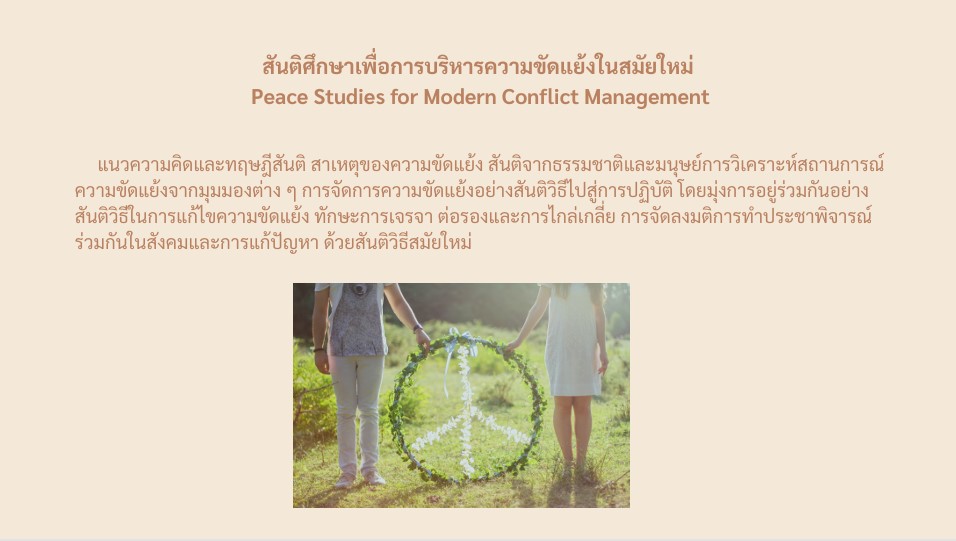
2. Peace Studies: When conflict is a “natural” phenomenon that can be managed with skill.
In the workplace, we often view conflict as "toxic," but from another perspective "Peace Studies" We, on the other hand, view conflict as a natural occurrence, always arising from both physical factors and differing human natures. The problem, therefore, isn't "the existence of conflict," but rather "the lack of skills in managing it."
Modern managers therefore need to be armed with "peaceful methods" and "negotiation skills," including mediation to find common ground for peaceful resolution, voting, or other actions. "Public Hearing" Within an organization, it's not a waste of time; it's a crucial tool for reducing friction and transforming negative energy into sustainable collaboration.
——————————————————————————–
3. Modern Leadership: The Science and Art of "Managing Oneself, Managing People, and Managing Work"
Amidst the wave of AI dismantling routine jobs, one thing machines can never replicate is the "psychology of leadership" and the creation of effective teams (Teamwork Building). The ideal leader in public administration must not just be someone who gives orders, but someone who possesses "Ethics for Administrators" Intense
Management in the 21st century must adhere to three principles:
- ครองตน: Mature, ethical, and behaving accordingly. Code of Ethics
- To rule the people: Understanding human needs (Human Resource Management) and inspiring the team.
- Dominate your job: They are skilled in their duties and make decisions based on what is right.
——————————————————————————–
4. Information Systems and Back-Office Operations: The Secret Weapon for Seamless Organizational Development
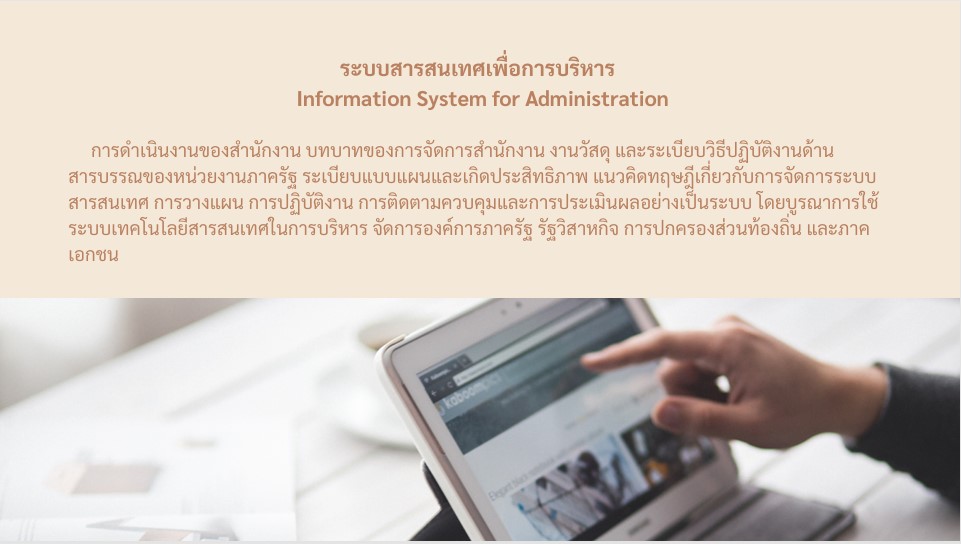
Many people think that management is all about fancy policies, but in reality, success is measured by the "back-end systems." Modern management uses more than just instinct; it requires Management Information System (MIS) Systematically integrated.
The secret weapon of a successful manager is not just cutting-edge technology, but rather the management of documentation, materials management, and well-structured office operations. When we analyze this information through research and use statistics as a basis for decision-making, whether it's regarding fiscal policy or budget planning, your decisions will be more accurate and errors will be significantly reduced.
——————————————————————————–
5. Public Policy and Decentralization: Power Starting from Local Levels
World-changing policies are often not achieved solely through top-down directives, but rather through an understanding of the public policy-making process that allows for genuine participation. The study of local government reveals that decentralization is a fundamental basis for democracy and social development.
When we empower decision-makers to local people or those on the front lines closest to the problem, we find more targeted and sustainable solutions. Understanding power structures and resource distribution is therefore key to creating change from where you are.
——————————————————————————–
Summary: Managing Development in a Dynamic World
Knowledge of public administration is not a distant concept, but rather a tool for "development administration" in the complex and challenging global landscape. If we can apply these principles, whether in public administration or private sector management, we will find that true efficiency arises from the ethical integration of "systems, information, and human resources."
Take a moment to pause and ask yourself: “As a part of a society or organization, how can you use these keywords to create small changes and contribute to development in your area?”
Because great management doesn't begin with a high position, but with a way of thinking that understands the world and people.
หมายเหตุ:
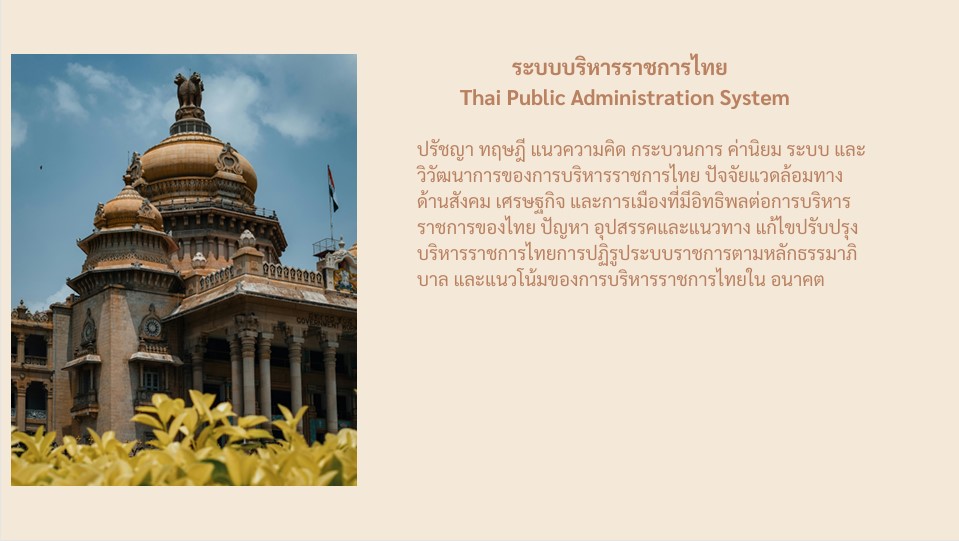
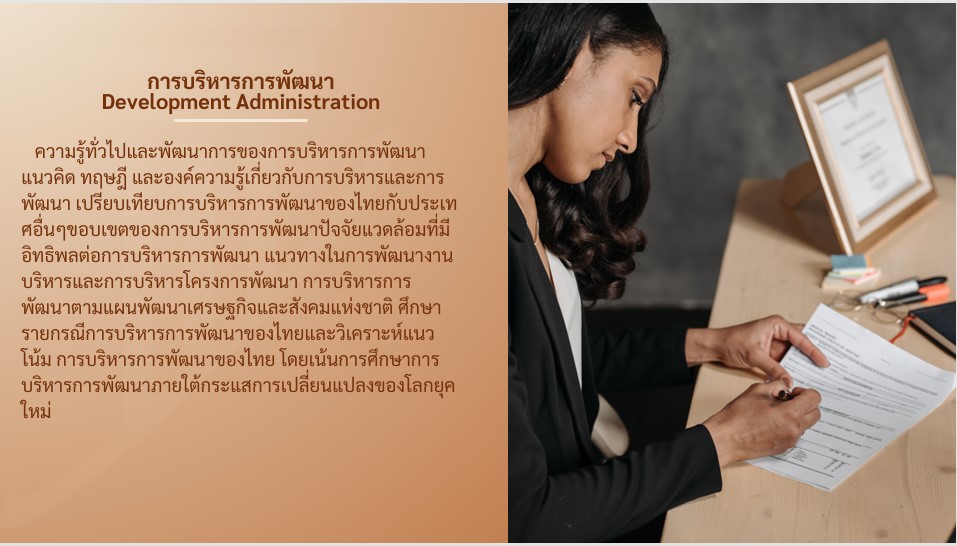
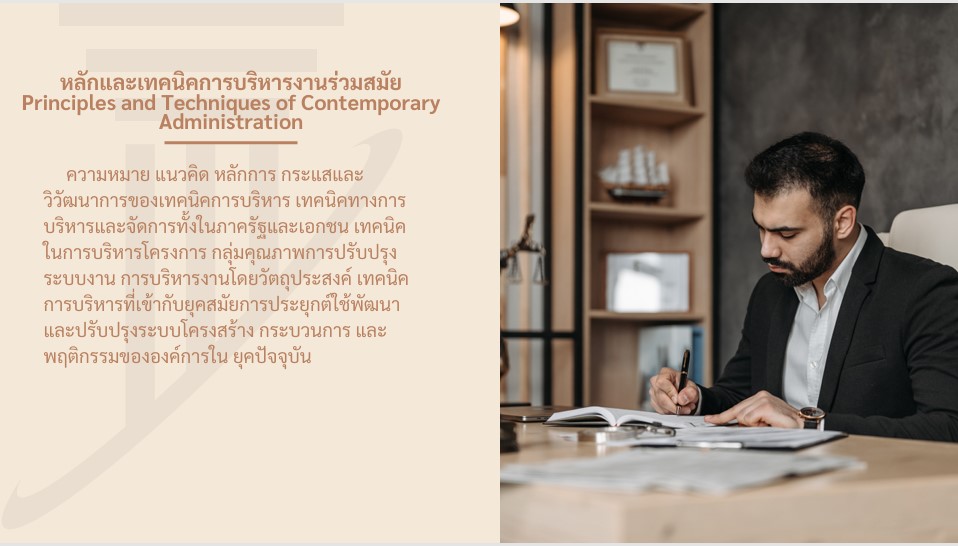
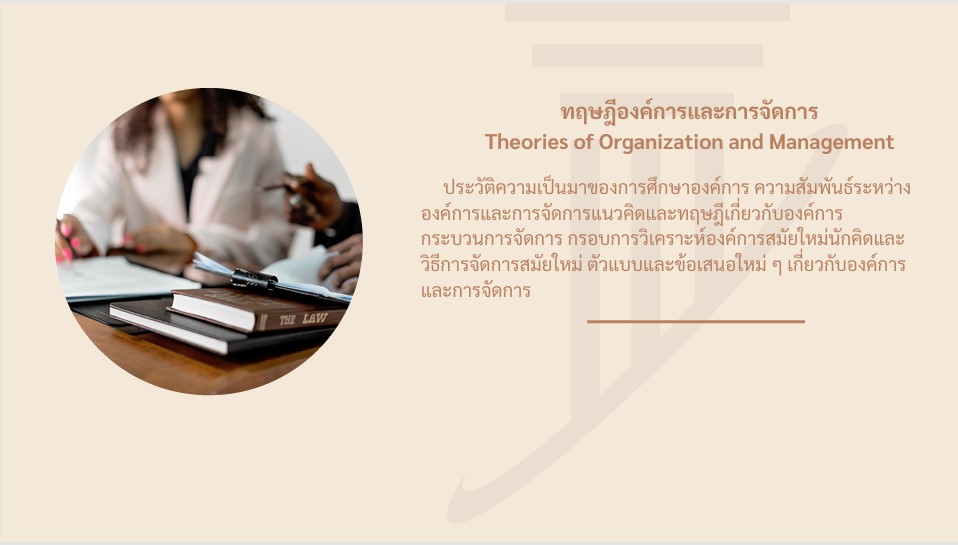
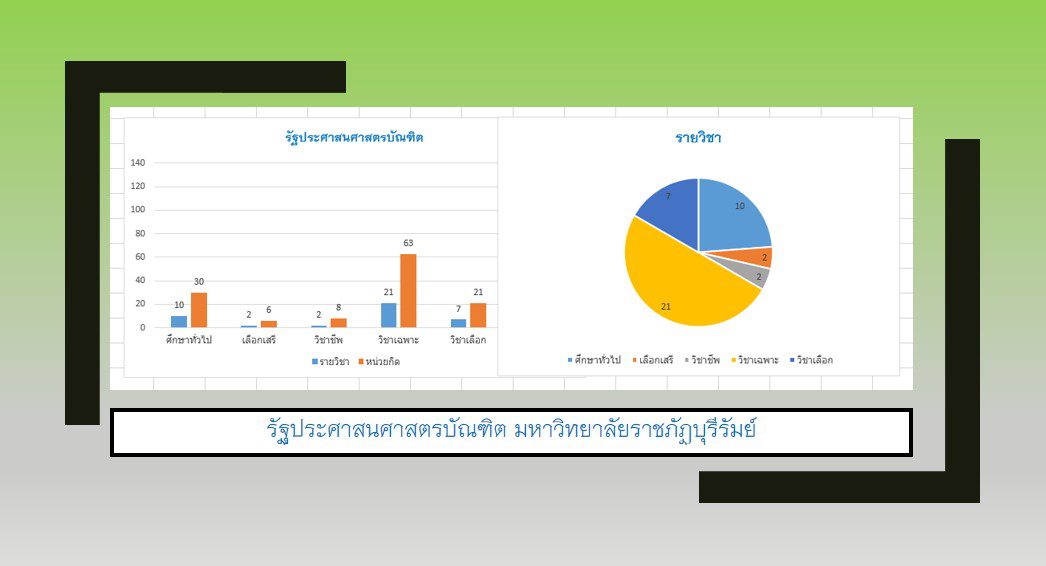
โครงสร้างหลักสูตร: รัฐประศาสนศาสตรบัณฑิต (รป.บ.) 2569 ของสาขาวิชารัฐประศาสนศาสตร์ คณะมนุษยศาสตร์และสังคมศาสตร์ มหาวิทยาลัยราชภัฏบุรีรัมย์ หลักสูตร (ปรับปรุง) พ.ศ.2565 จำนวน 42 รายวิชา 128 หน่วยกิต [เอกสารนี้นำเสนอรายละเอียดของ หลักสูตรด้านรัฐประศาสนศาสตร์ ซึ่งครอบคลุมความรู้พื้นฐานและทักษะที่จำเป็นสำหรับ นักบริหารในยุคใหม่ เนื้อหาประกอบด้วยการศึกษา ทฤษฎีองค์การ การวางแผนนโยบายสาธารณะ และการบริหารทรัพยากรมนุษย์อย่างมีจริยธรรม นอกจากนี้ยังเน้นย้ำถึงความสำคัญของ กฎหมายปกครอง ธรรมาภิบาล และการบริหารการคลังที่ส่งผลต่อการพัฒนาประเทศ แง่มุมที่น่าสนใจคือการบูรณาการ เทคโนโลยีสารสนเทศ และสันติวิธีมาใช้ในการจัดการความขัดแย้งภายในองค์กร ข้อมูลเหล่านี้จึงถือเป็นแนวทางที่รอบด้านสำหรับผู้ที่ต้องการทำความเข้าใจ ระบบราชการและการบริหารงานรัฐ ของไทยอย่างเป็นระบบและมีประสิทธิภาพสูงสุด]
- วิชาแกน 3 รายวิชา
- ทฤษฎีองค์การและการจัดการ
- สันติศึกษาเพื่อการบริหารความขัดแย้งในสมัยใหม่
- ธรรมาภิบาลในองค์การภาครัฐ
- วิชาบังคับ 18 รายวิชา
- ระบบบริหารราชการไทย
- การบริหารการพัฒนา
- หลักและเทคนิคการบริหารงานร่วมสมัย
- ระบบสารสนเทศเพื่อการบริหาร
- นโยบายสาธารณะและการวางแผน
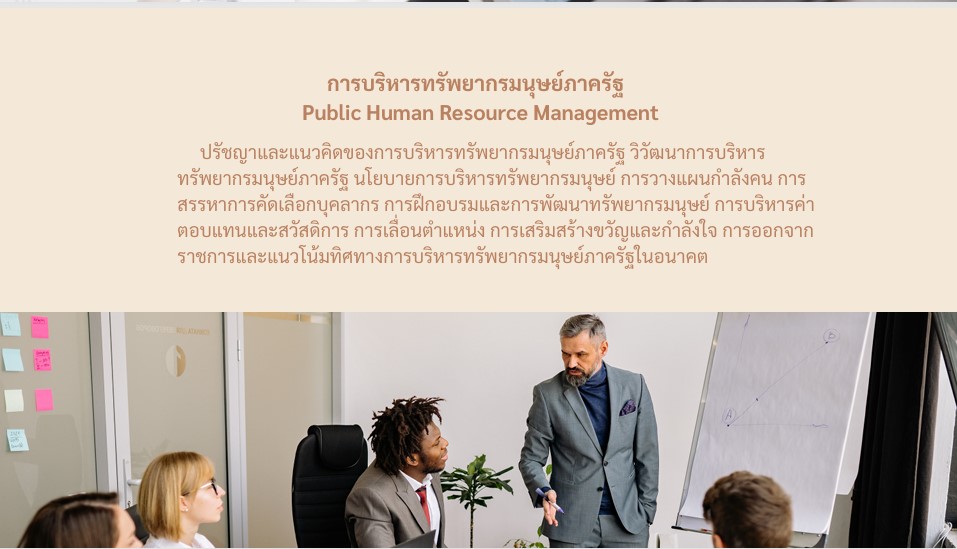
- การบริหารทรัพยากรมนุษย์ภาครัฐ
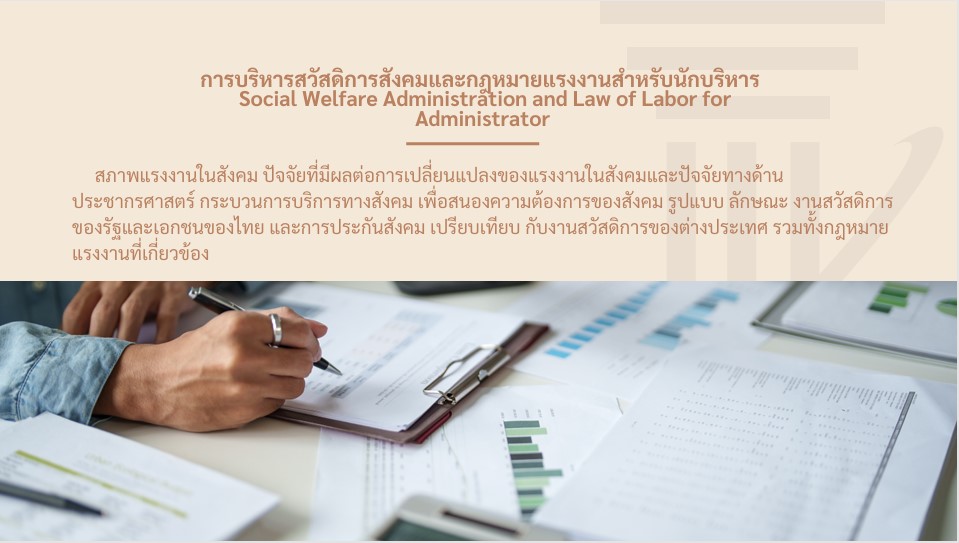
- การบริหารสวัสดิการสังคมและกฎหมายแรงงานสำหรับนักบริหาร
- ภาวะผู้นำสำหรับการบริหารและการสร้างทีมงาน
- จริยธรรมสำหรับนักบริหาร
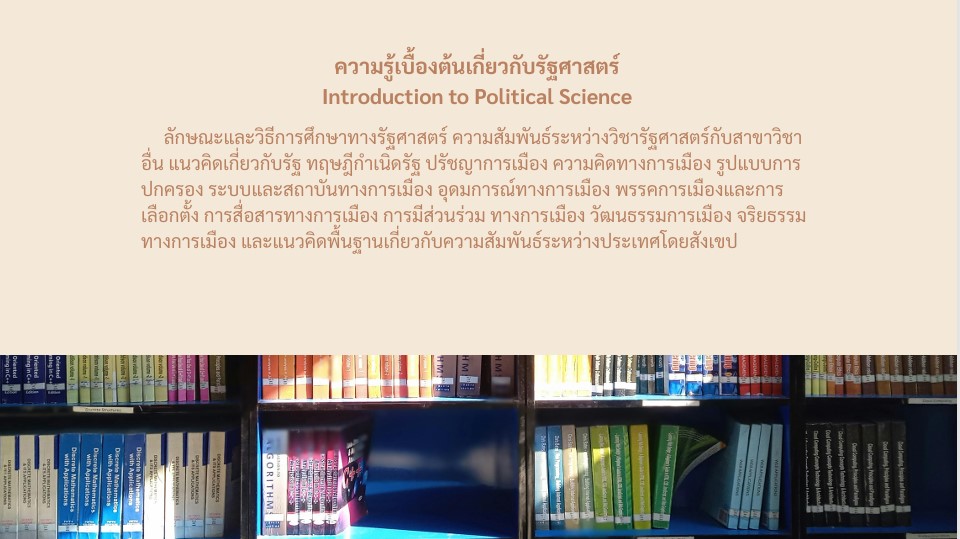
- ความรู้เบื้องต้นเกี่ยวกับรัฐศาสตร์
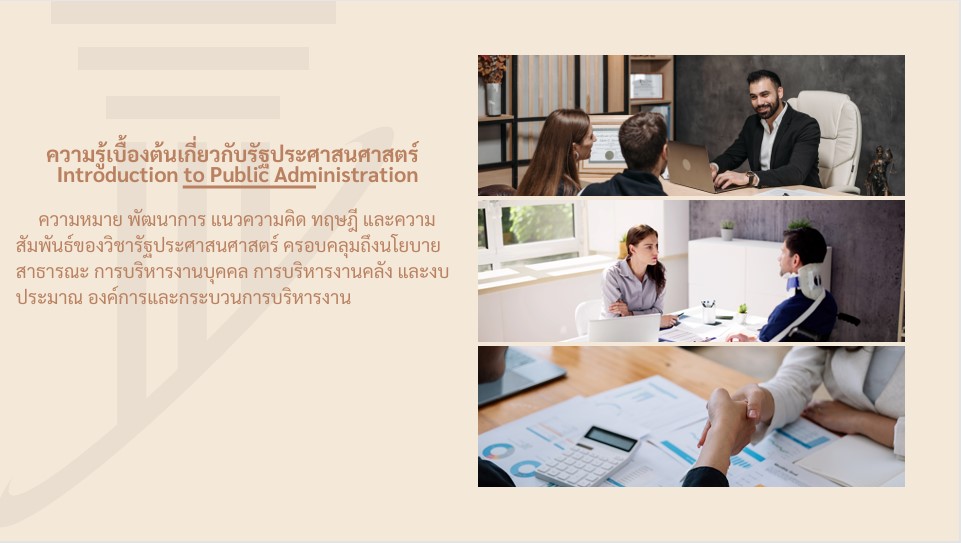
- ความรู้เบื้องต้นเกี่ยวกับรัฐประศาสนศาสตร์
- การปกครองท้องถิ่นไทย
- ภาษาอังกฤษสำหรับนักรัฐประศาสนศาสตร์
- การบริหารการคลังและงบประมาณ
- กฎหมายรัฐธรรมนูญและสถาบันการเมือง
- หลักกฎหมายปกครอง
- การวิจัยทางรัฐประศาสนศาสตร์เบื้องต้น
- สัมมนาทางรัฐประศาสนศาสตร์
ที่เกี่ยวข้อง
ข่าวประชาสัมพันธ์อื่นๆ : คลิก
- ติดตามภาพกิจกรรมของคณะกรรมการนักศึกษาสาขาวิชารัฐประศาสนศาสตร์ : เพจชมรมสิงห์สานสัมพันธ์ (คลิก)
- ติดตามภาพกิจกรรมของคณะกรรมการนักศึกษาสาขาวิชารัฐประศาสนศาสตร์ : เพจคณะกรรมการนักศึกษา (คลิก)
- ติดตามภาพกิจกรรมของสาขาวิชารัฐประศาสนศาสตร์ : เพจสาขาวิชา (คลิก)
แหล่งข้อมูลข่าวสารสาขาวิชา
การบริหารที่ยอดเยี่ยม ไม่ได้เริ่มจากตำแหน่งที่สูงส่ง แต่เริ่มจากวิธีคิดที่เข้าใจโลกและเข้าใจผู้คน
สาขาวิชารัฐประศาสนศาสตร์ มหาวิทยาลัยราชภัฏบุรีรัมย์ สังกัดคณะมนุษยศาสตร์และสังคมศาสตร์ มุ่งเน้นการผลิตบัณฑิตที่มีคุณภาพในด้านรัฐประศาสนศาสตร์ เพื่อเป็นกำลังสำคัญในการพัฒนาท้องถิ่นและประเทศชาติ